Changelogs
Stay up to date with the latest changes and enhancements.
Stay up to date with the latest changes and enhancements.

Stay up to date with the latest changes and enhancements.
18. May 2026
Share
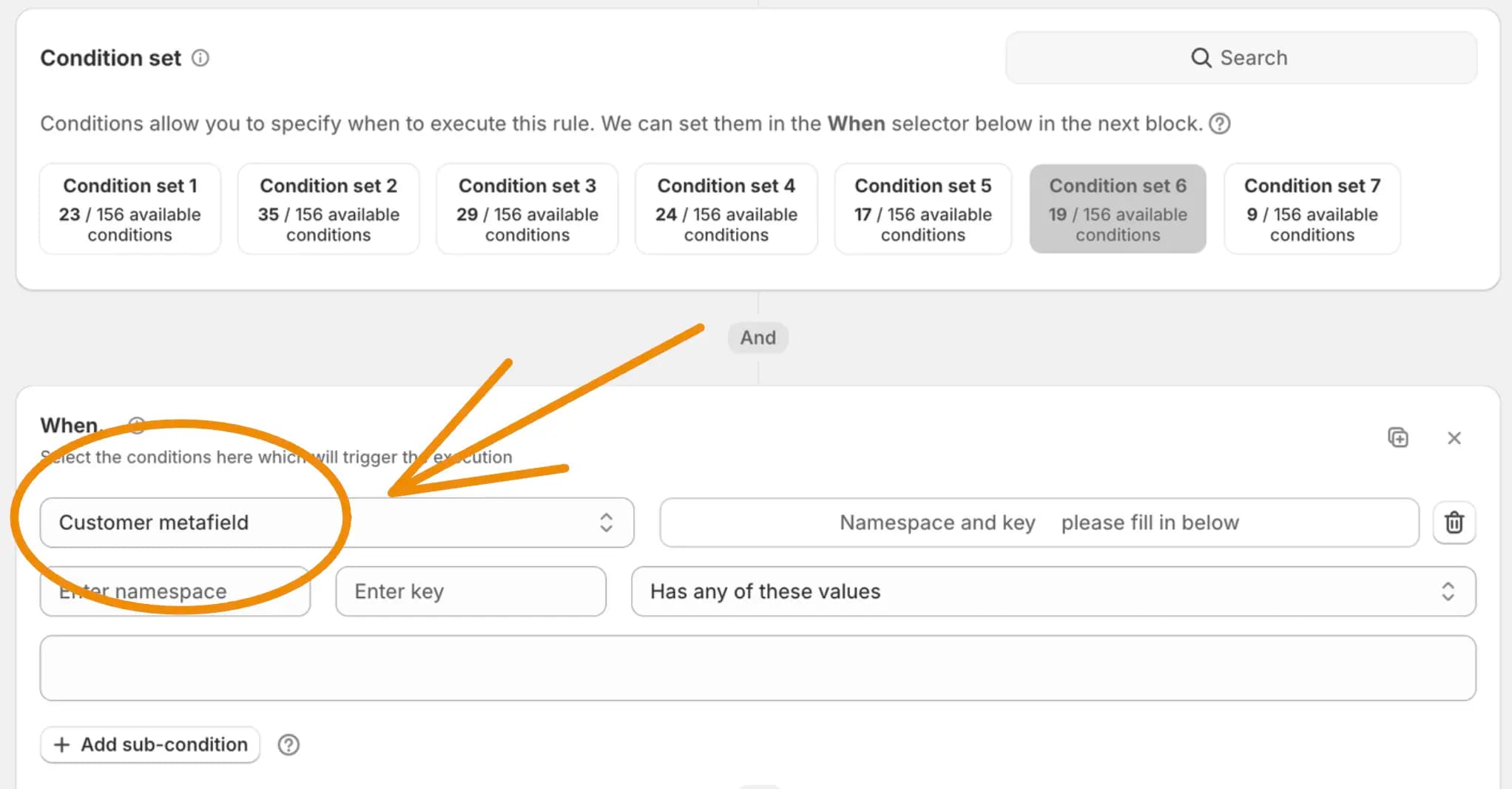
You can now create checkout rules based on customer metafields.
This makes it easier to use the customer details you already store in Shopify to personalize checkout behavior for different customer groups.
For example:
Give VIP or loyalty customers access to special shipping or payment options
Hide payment methods for customers with a specific account status
Create discount rules for members, wholesale buyers, or customer tiers
Build more flexible rules without relying only on email addresses or customer tags
This gives you more ways to tailor checkout for the customers your store already knows.
17. May 2026
Share
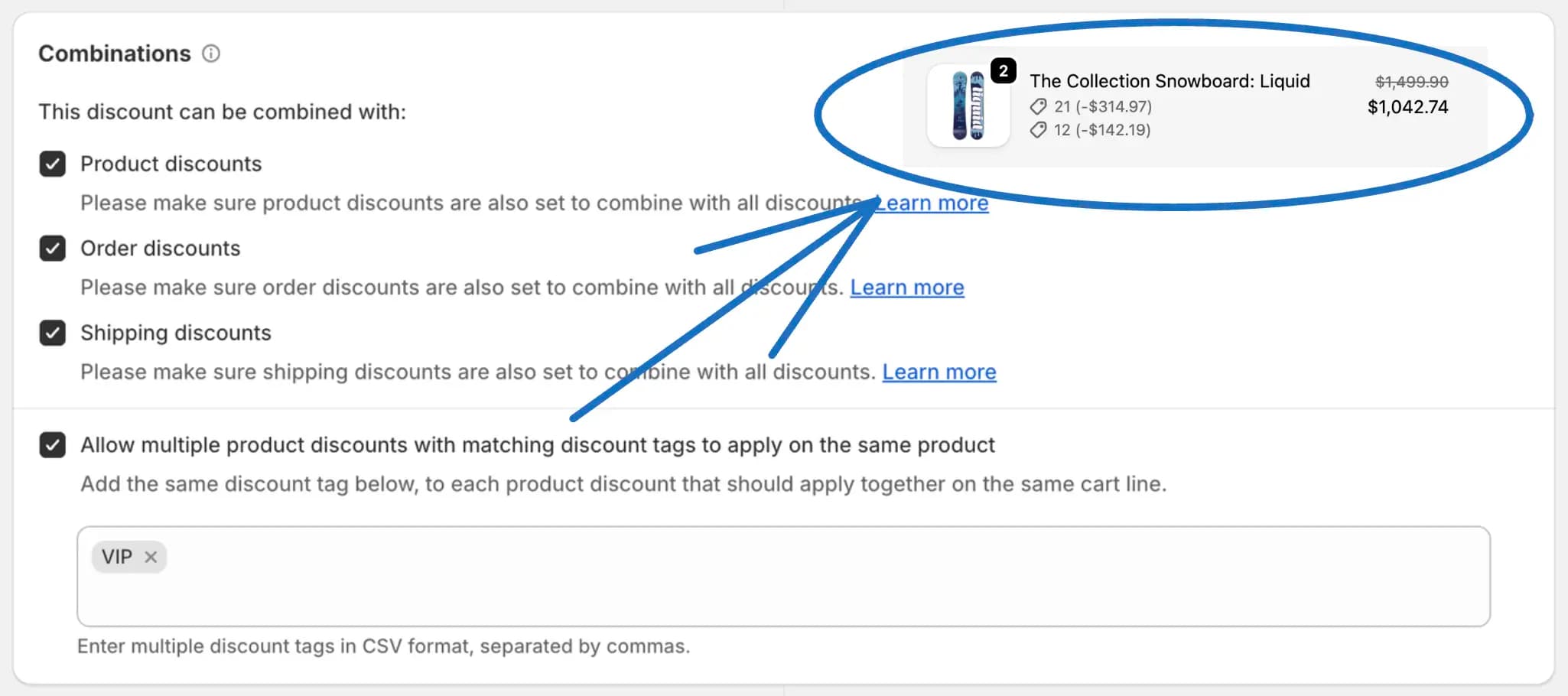
Shopify Plus stores can now let multiple product discounts apply to the same product when those discounts are meant to work together.
This makes it easier to run layered promotions without forcing you to choose which product discount should win on a cart line.
For example:
Combine a VIP discount with a seasonal product offer
Let a product-specific sale work together with a loyalty discount
Stack a member discount with a limited-time campaign
Build promotion groups using matching discount tags
Create richer offers without splitting products or rebuilding discount rules
This gives you more flexibility to reward customers and run promotions that can work together on the same product.
16. May 2026
Share
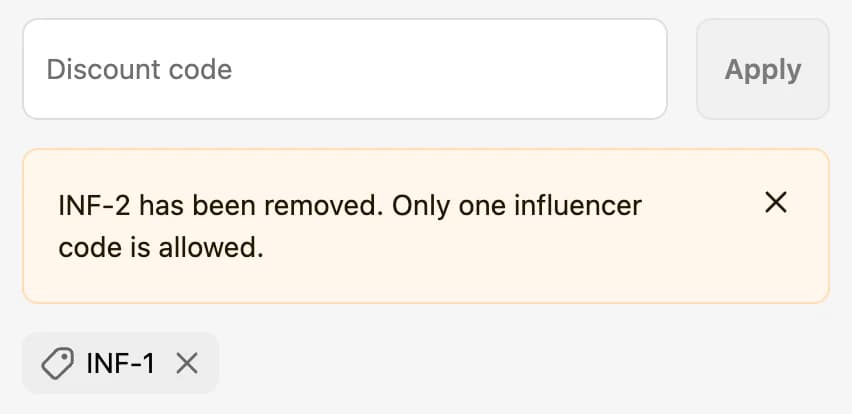
You can now create discount code rejection rules that do not allow selected discount codes when certain conditions are met.
This helps you protect promotions from being used in the wrong checkout situation, while still letting the same codes work when they should.
For example:
Block a welcome code for wholesale or B2B customers
Stop a code from being used for specific shipping countries, markets, or cart contents
Prevent campaign codes on carts that already qualify for another offer
Show customers a clear message explaining why the code cannot be used
Keep discount code rules flexible without creating separate discounts for every scenario
This gives you more control over when discount codes can be used and helps keep promotions aligned with your store's rules.
10. May 2026
Share
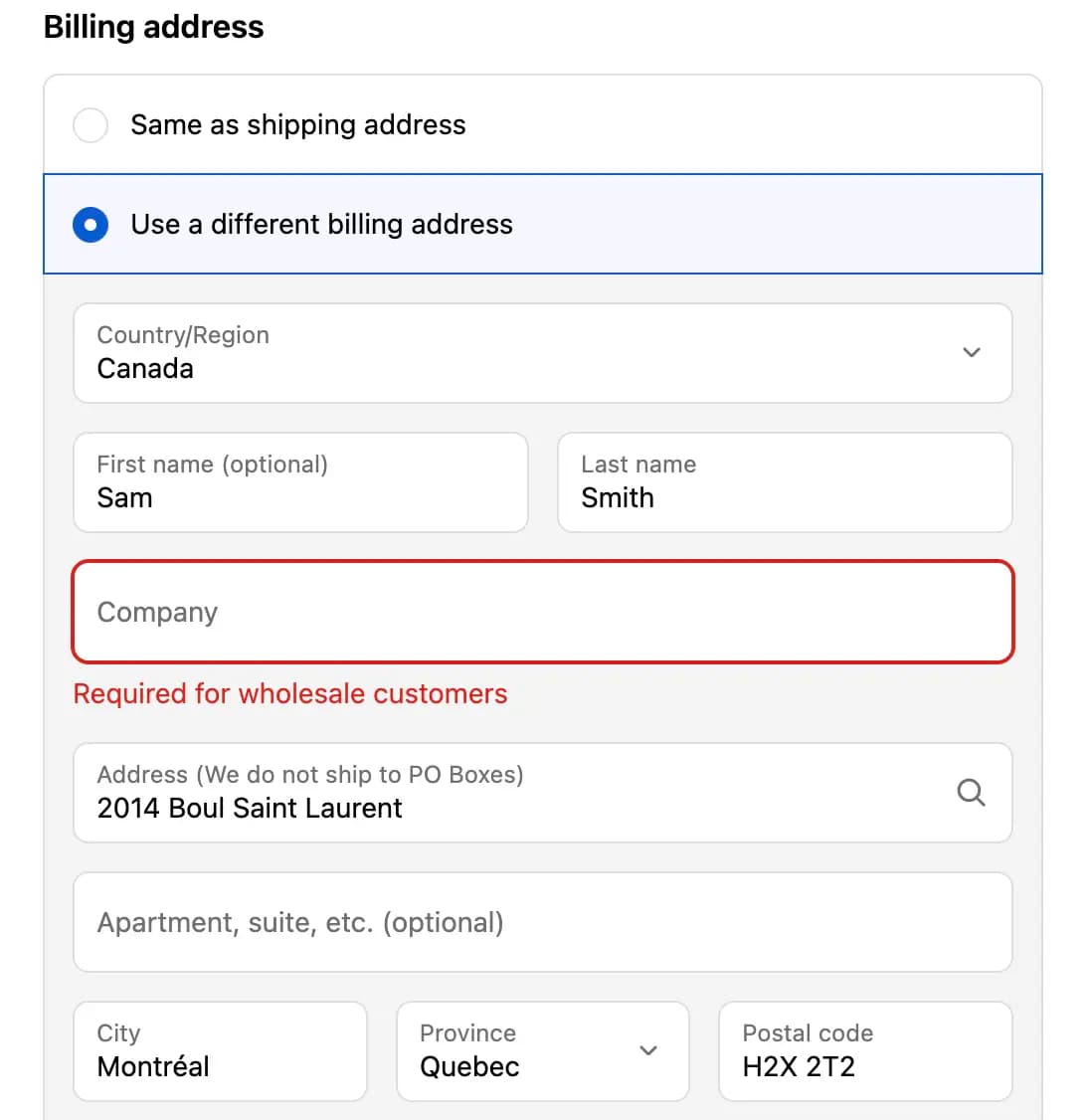
You can now create checkout rules based on the customer's billing address.
This makes it easier to control checkout behavior when the billing address matters more than the shipping address, such as billing ZIP/postal code, country, province/state, city, company, or phone number.
For example:
Block checkout when a billing ZIP or postal code is not supported
Show a validation message when billing details do not match your requirements
Hide or rename payment methods for specific billing countries or regions
Target B2B customers using the billing company field
Create rules around billing information even when the shipping address is different
This gives you more flexibility to manage checkout rules around the billing details your customers enter.
10. May 2026
Share
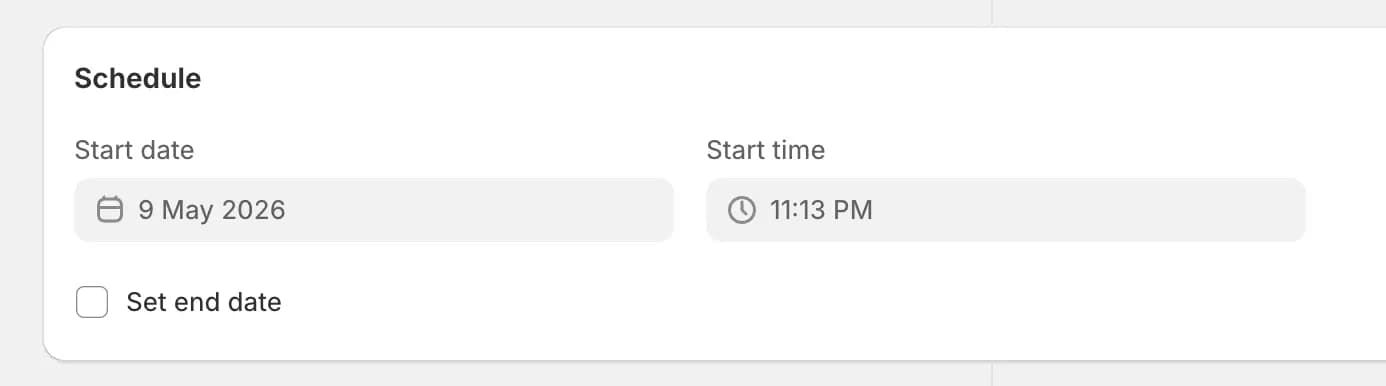
You can now schedule discount rules to start at a specific date and time, and optionally end automatically later.
This makes it easier to prepare promotions ahead of time without coming back to manually activate or stop them during busy campaign periods.
For example:
Launch a weekend discount exactly when your sale begins
Prepare a holiday promotion in advance
Set a limited-time offer to end automatically
Run flash sales without manually turning rules on and off
Keep seasonal campaigns ready before they need to go live
This gives you a simpler way to plan discount campaigns and keep promotions running on the right schedule.
05. May 2026
Share
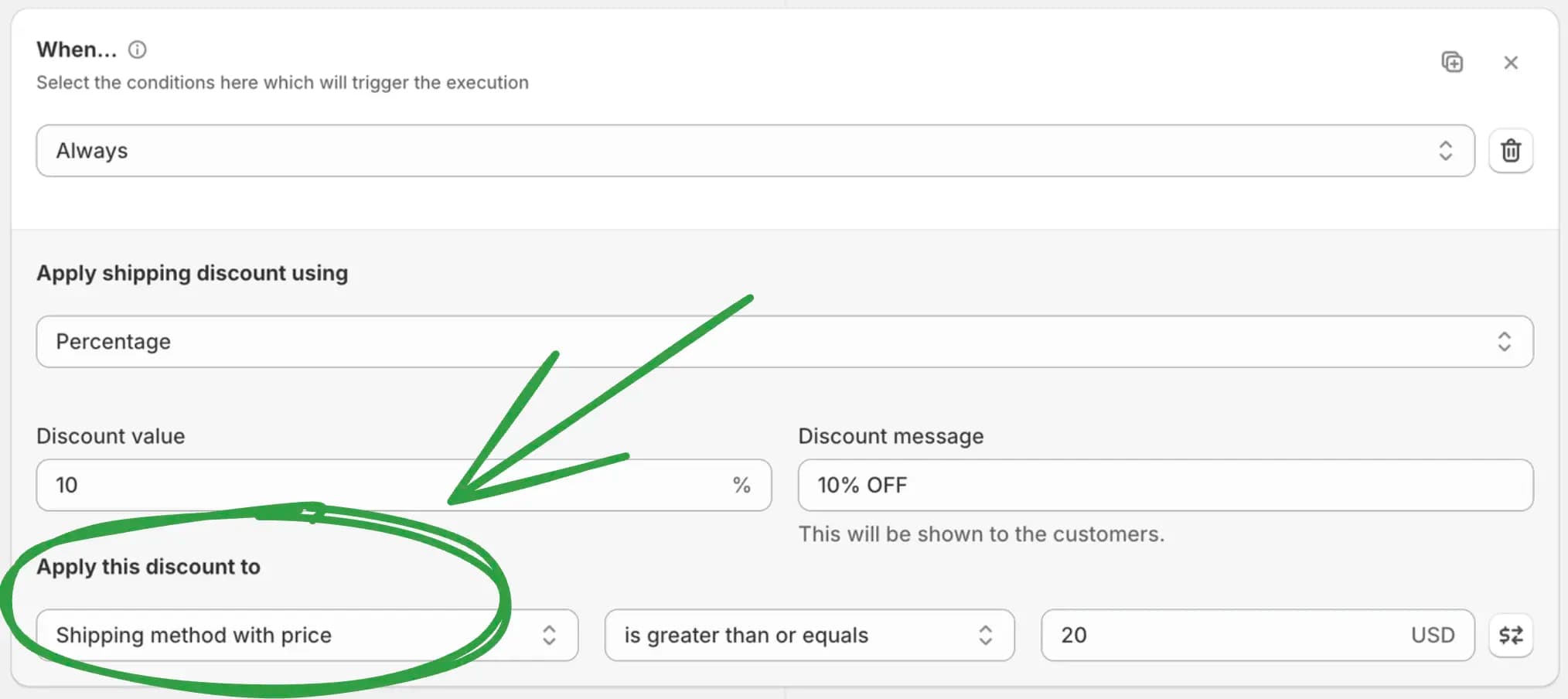
You can now apply shipping discounts based on the price of the shipping method customers see at checkout.
This makes it easier to create shipping offers around expensive, low-cost, or price-threshold delivery options without manually listing every method name.
For example:
Discount only the highest-priced shipping method in checkout
Apply an offer to the lowest-priced shipping method
Give a shipping discount when the delivery option price is above a set amount
Target lower-cost shipping options while leaving premium delivery unchanged
Keep shipping promotions flexible when carrier rates or method names change
This gives you more control over shipping discount campaigns and helps you build offers around the actual delivery prices your customers see.

28. Apr 2026
Share
You can now add multiple recurring special dates in MM-DD format and use them in one checkout rule.
This makes it easy to manage holiday behavior every year without rebuilding the same rule for each date.
For example:
Add all your holiday dates in one list and automatically hide faster shipping options on those days
Show a warning message to customers when checkout happens on special dates
Apply date-based shipping and checkout behavior consistently across seasonal events
Avoid creating separate one-off rules for each holiday
This gives you a simpler way to run holiday-specific checkout experiences with less manual work.

24. Apr 2026
Share
You can now use the new Physical product total quantity condition to count only products that require shipping.
This means you can build quantity-based checkout rules around shippable items while automatically ignoring digital products.
For example:
Offer shipping discounts only when the number of physical items reaches your target quantity
Block checkout when too many physical units are in the cart
Set quantity thresholds for shipping and payment rules without digital items affecting the logic
Keep gift cards or digital add-ons from accidentally triggering physical-quantity campaigns
This gives you cleaner control over fulfillment-focused rules and helps you target real shipping scenarios more accurately.

19. Apr 2026
Share
You can now validate cart quantities per line item with the new Quantity per each product condition in validation rules.
This lets you block checkout or show a validation message when any single product quantity is too high or below your required minimum.
For example:
Limit bulk purchases by blocking checkout when any product exceeds your maximum quantity
Require minimum quantity per product for wholesale or bundle-style offers
Set product-level quantity checks without relying on product tags
Use simple quantity thresholds with greater than or equal to / less than or equal to operators
This gives you more precise cart control and helps enforce quantity policies before checkout is completed.
12. Apr 2026
Share
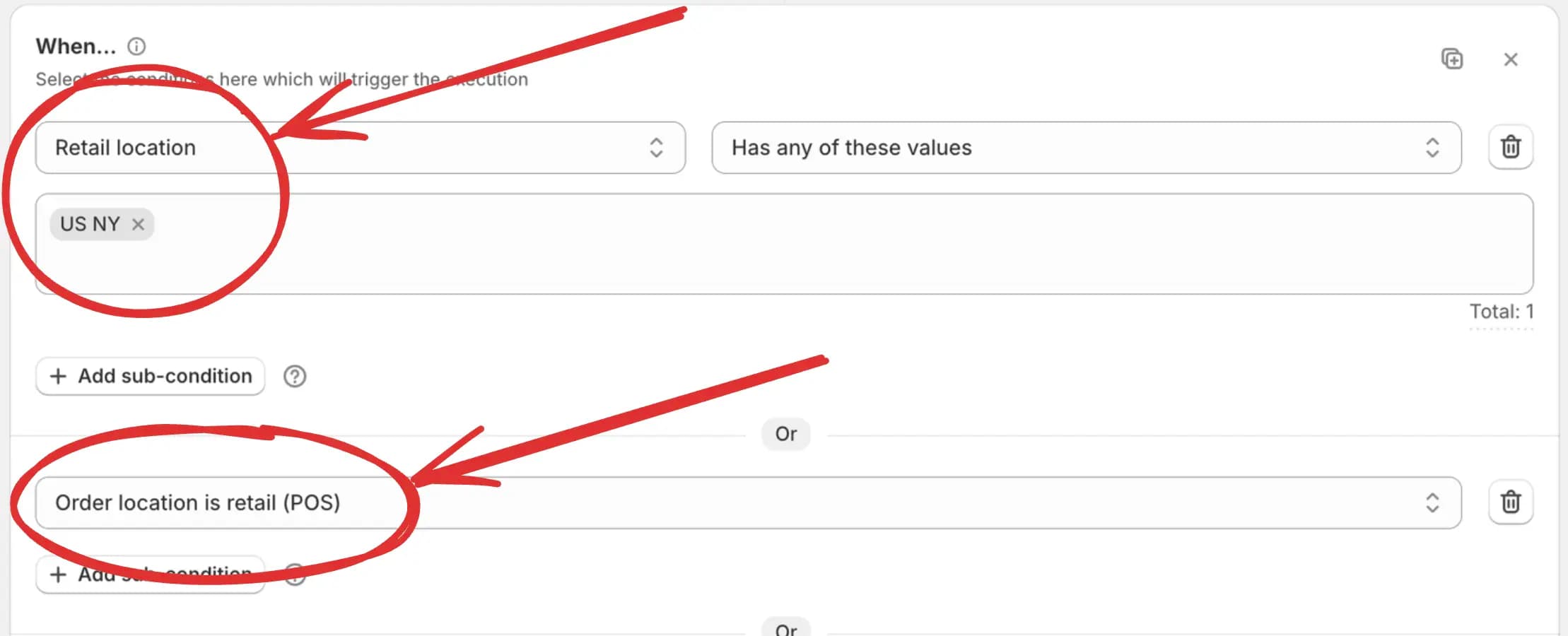
You can detect whether the checkout rule is running in a retail (POS) location or a non-retail (online store).
With the new Retail location, Order location is retail (POS), and Order location is not retail (POS) conditions, you can create sales channel-specific checkout behavior.
For example:
Hide or sort shipping methods differently for POS and online checkout
Apply in-store shipping or discount offers only when the order is created at POS
Keep online-only shipping and discount campaigns from affecting in-store checkout
Use the same rule structure while targeting different sales channels
This gives you cleaner control over omnichannel checkout experiences with simple rule logic.